
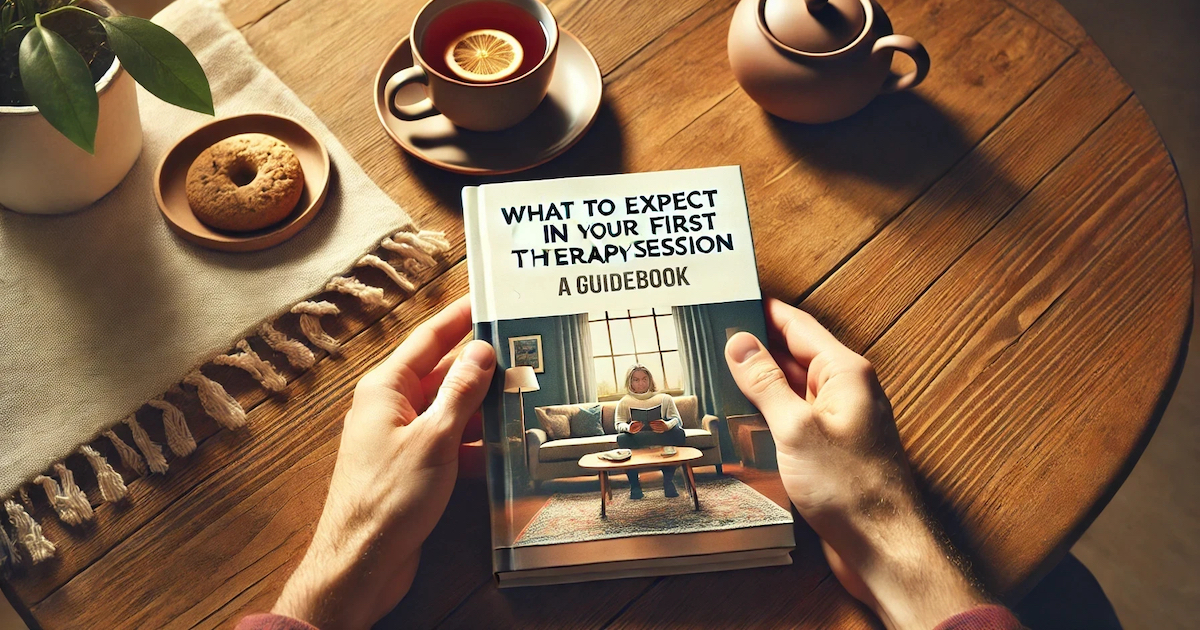
What to Expect in Your First Therapy Session: A Comprehensive Guide
- Child Therapy
Starting therapy can be a significant step, and it’s natural to feel a mix of emotionsu2014anticipation, nervousness, even a bit of fear. If you’re wondering what to expect in your first therapy session, this guide is here to help you feel more prepared and at ease.
u00a0
Before Your First Therapy Session
Before you even step into the therapy room, youu2019ll likely have an initial consultation. This is often a phone call or video chat where you can introduce yourself and learn the basics about how your therapist works. Itu2019s your chance to ask questions about the process, such as:
- Where will the sessions take place?
- How much will it cost?
- How long will each session be?
u00a0
This initial interaction helps set the stage for your first in-person (or virtual) session. Itu2019s also a great opportunity to gauge whether you feel comfortable with the therapist and their approach. Remember, finding the right therapist is crucial for a successful therapy experience.
u00a0
Your First Therapy Session: What Happens Next?
When you arrive for your first session, thereu2019s a good chance youu2019ll feel a bit unsure about whatu2019s coming. Thatu2019s perfectly normal. Hereu2019s a rundown of what typically happens:
Introduction: Your therapist will likely start by introducing themselves and giving you an overview of their qualifications, including the professional bodies they are registered with, such as the UKCP (UK Council for Psychotherapy) or BACP (British Association for Counselling and Psychotherapy). Itu2019s important to ensure your therapist is accredited by a recognised organisation.
Confidentiality and Policies: Expect to discuss confidentiality, session fees, and cancellation policies. Understanding these upfront can help you feel more secure and informed.
Getting to Know You: The bulk of the first session will involve your therapist asking questions to get to know you better. They might ask about:
- Your reasons for seeking therapy
- Any previous experiences with therapy or counselling
- Your life history, including key relationships and significant events
- What would make you feel comfortable during sessions
Practical Details: If your session is in person, your therapist might clarify logistical details, such as when to arrive and where to wait. If youu2019re attending virtually, theyu2019ll ensure youu2019re set up in a private, comfortable space.
u00a0
How to Mentally Prepare for Your First Session
Itu2019s entirely normal to feel a bit anxious before your first session. Here are a few tips to help you prepare:
– Be Yourself: Remember, your therapist is there to help you, not judge you. Honesty is key to building a therapeutic relationship.
– Allow Yourself to Feel: Itu2019s okay to cry, feel confused, or even struggle to express yourself. Therapy is a process, and the first session is just the beginning.
– Manage Expectations: While the first session is important, itu2019s unlikely to bring instant relief or answers. Therapy is a journey that unfolds over time and involves exploring various types of therapy, such as cognitive behavioural therapy (CBT) or EMDR therapy, depending on your needs.
u00a0
After Your First Therapy Session: What to Expect
After spending nearly an hour discussing your innermost thoughts, itu2019s common to feel emotionally drained. You might experience a mix of emotionsu2014exhaustion, enlightenment, frustration, or even a sense of relief.
– Self-Care: Itu2019s important to be gentle with yourself after a session. Allow time to process your feelings, and consider doing something kind for yourself afterward.
– Reflect on the Session: Take a moment to think about your experience. Did you feel comfortable with your therapist? Did the conversation help you gain new insights? Building a connection with your therapist is essential, but it may take time.
u00a0
Is This the Right Therapist for You?
Therapy is a deeply personal process, and itu2019s crucial to work with a therapist you feel you can trust. After your first session, consider how you felt during your time together:
– Did you feel safe and supported?
– Were you encouraged to explore your thoughts and feelings?
– Did the therapist treat you with respect and equality?
If you felt a positive connection, thatu2019s a great sign. However, if something didnu2019t feel right, itu2019s okay to explore other options. The therapist-client relationship is foundational to effective therapy, and itu2019s important that you find the right fit.
u00a0
Final Thoughts
Starting therapy is a brave step toward self-understanding and healing. The first session is just the beginning of a process that can lead to profound personal growth. Remember, therapy is a partnershipu2014your therapist is there to guide and support you, but the journey is yours to take.
If youu2019re ready to embark on this journey, take that first step with confidence. Youu2019ve already made the hardest decisionu2014now, itu2019s about continuing the path to understanding and wellness.
Choose a clinic
Choose the clinic nearest to you for access to support in your area
NORTH
LONDON
N7
NW London
PRIMROSE
HILL
NW1
NW London
GOLDERS GREEN
NW11
SOUTH EAST
LONDON
SE19
SUSSEX
RH15
SURREY
GU9
HERTS.
AL1
ONLINE
SESSIONS
More about TTC
Choose a clinic


u00a9 2021 The Therapeutic Consultants. TTC Ltd is Registered in England and Wales, No: 8589799. Registered address: First Floor, 677 High Road, London, N12 0DA
- Child Therapy